
White Widow and Purple Lemonade are two popular American cannabis varieties known for their unique characteristics. In this comprehensive comparison, we analyze their differences in genetics, aroma, potency, plant structure, and yield to help you choose the option that best fits your preferences.
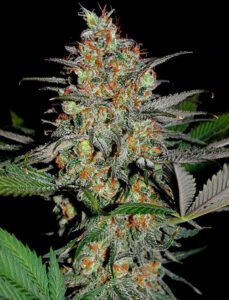

Comparison Table
| Characteristic | White Widow | Purple Lemonade |
|---|---|---|
| THC | 20 - 28% | 26 - 30% |
| CBD | Low - 1% | Low - 0.8% |
| Seed Type | Autoflowering | Feminized |
| Phenotype | 55% Sativa / 45% Indica | 70% Sativa / 30% Indica |
| Lineage | White Widow x Ruderalis | Chem Sis x Sour Dubb x Diesel Chocolate |
| Yield Indoor | 1.15 - 1.48 oz/ft2 | 350 - 450 g/m2 | 1.64 - 1.97 oz/ft2 | 500 - 600 g/m2 |
| Yield Outdoor | 21.16 - 21.16 oz/plant | 600 - 600 g/plant | 24.69 - 28.22 oz/plant | 700 - 800 g/plant |
| Height | 3.61 ft | 1.1 m | 6.56 | 2 m |
| Climate | Temperate | Continental |
| Harvest Month | All Season | All Season |
| Flowering Time | 8 - 10 weeks | 8 - 10 weeks |
| Flavor | Citrus, Earthy, Tangy, Pungent | Citrus, Orange, Pine, Sweet |
| Effects | Happy, Relaxed, Talkative | Happy, Relaxed, Talkative |
| Medical | Fatigue, Muscle Spasms, Stress | Anxiety, Depression, Pain |
| Terpenes | Alpha Pinene, Beta Caryophyllene, Caryophyllene, Guaiol, Humulene, Isopulegol, Neryl Acetate | Alpha Humulene, Alpha Pinene, Beta Caryophyllene, Beta Myrcene, Linalool, Terpinolene |
Genetics and Origin
The genetics of White Widow come from White Widow x Ruderalis, creating a 55% Sativa / 45% Indica profile. This genetic combination provides unique characteristics that make it stand out among American cannabis varieties.
In contrast, Purple Lemonade combines Chem Sis x Sour Dubb x Diesel Chocolate, resulting in a 70% Sativa / 30% Indica composition. The difference in genetic background creates distinct growth patterns and final product characteristics between these two strains.
Terpenes, Aroma and Flavor
White Widow stands out with citrus, earthy, tangy, pungent notes. Its terpene profile includes alpha pinene, beta caryophyllene, caryophyllene, guaiol, humulene, isopulegol, neryl acetate, creating a complex sensory experience that appeals to connoisseurs looking for distinctive aromatic profiles.
Purple Lemonade offers citrus, orange, pine, sweet characteristics. With terpenes like alpha humulene, alpha pinene, beta caryophyllene, beta myrcene, linalool, terpinolene, this variety provides a different sensory journey, making it ideal for those seeking specific flavor profiles.
Production, Structure and Yield
White Widow produces dense flowers with excellent resin production. Indoor yields range around 1.15 - 1.48 oz/ft2 | 350 - 450 g/m2, while outdoor cultivation can achieve 21.16 - 21.16 oz/plant | 600 - 600 g/plant. The plant reaches approximately 3.61 ft | 1.1 m and is well-suited for temperate climates.
Purple Lemonade develops a robust structure with vigorous growth. Indoor production is around 1.64 - 1.97 oz/ft2 | 500 - 600 g/m2, with outdoor yields reaching 24.69 - 28.22 oz/plant | 700 - 800 g/plant. With a height of 6.56 | 2 m, this variety thrives in continental conditions.
Which Variety is Right for You?
White Widow is ideal for those seeking citrus, earthy, tangy, pungent flavors and happy, relaxed, talkative effects. With THC levels of 20 - 28% and a flowering time of 8 - 10 weeks, it's a great choice for growers looking for a 55% sativa / 45% indica experience.
Purple Lemonade better suits those who prefer citrus, orange, pine, sweet profiles and happy, relaxed, talkative characteristics. Offering 26 - 30% THC with a flowering period of 8 - 10 weeks, this variety delivers a 70% sativa / 30% indica profile.
Final Conclusion
Both White Widow and Purple Lemonade are excellent choices, each with unique characteristics. If you're looking for citrus, earthy, tangy, pungent notes and happy, relaxed, talkative effects, White Widow is your best option. If you prefer citrus, orange, pine, sweet characteristics with happy, relaxed, talkative properties, Purple Lemonade will be the perfect fit.
➡️ View full specs of White Widow
➡️ View full specs of Purple Lemonade
Similar Seeds
Seeds similar to White Widow:
Seeds similar to Purple Lemonade:
Frequently Asked Questions
Is White Widow better than Purple Lemonade?
Neither is objectively "better" - it depends on your preferences. White Widow offers 20 - 28% THC with citrus, earthy, tangy, pungent flavors, while Purple Lemonade provides 26 - 30% THC with citrus, orange, pine, sweet characteristics.
What's the difference between White Widow and Purple Lemonade genetics?
White Widow comes from White Widow x Ruderalis, while Purple Lemonade is a cross of Chem Sis x Sour Dubb x Diesel Chocolate. This creates different phenotype profiles: 55% Sativa / 45% Indica vs 70% Sativa / 30% Indica.
Which has better aroma, White Widow or Purple Lemonade?
White Widow features citrus, earthy, tangy, pungent notes, while Purple Lemonade offers citrus, orange, pine, sweet aromas. The choice depends on your personal preference for terpene profiles.
Is White Widow more productive than Purple Lemonade?
White Widow yields approximately 1.15 - 1.48 oz/ft2 | 350 - 450 g/m2 indoors, while Purple Lemonade produces around 1.64 - 1.97 oz/ft2 | 500 - 600 g/m2. Both offer excellent production under optimal conditions.
What are the effects of White Widow vs Purple Lemonade?
White Widow is known for happy, relaxed, talkative effects, while Purple Lemonade provides happy, relaxed, talkative characteristics. Both have distinct terpene profiles that contribute to their unique experiences.
Which variety flowers faster?
White Widow has a flowering time of 8 - 10 weeks, compared to Purple Lemonade's 8 - 10 weeks. This difference can be important when planning your growing schedule.
Can I grow both varieties together?
Yes, both White Widow and Purple Lemonade can be grown together. However, note that White Widow reaches 3.61 ft | 1.1 m while Purple Lemonade grows to 6.56 | 2 m, so plan your space accordingly.
Ready to Start Growing?
Both strains are available now with fast, discreet shipping.